

Your best bet is a mix of shift-based gig work (delivery, rideshare, warehouse, event staffing) and remote weekend-only roles (chat support, tutoring, reselling), because weekend demand in logistics, hospitality, and events tends to spike, and it comes with faster onboarding than typical part-time jobs. Delivery and staffing apps let you start quickly; remote chat gigs and pet sitting take a bit longer to line up but cost nothing to try. Scan the ranked list below, match one option to your schedule and energy level, and book your first shift for this coming Saturday or Sunday.
TL;DR:
- Delivery and staffing apps enable quick onboarding, with delivery starting in 1-2 days and staffing shifts available same-week or same-day.
- Weekend gig pay varies widely, with delivery and rideshare earning from modest hourly rates to high surge-period incomes, minus expenses and taxes.
- Jobs requiring certification or inventory, such as bartending, tutoring, or reselling, need longer setup times of one to two weeks before earning can begin.
- Avoid jobs asking for upfront payments or vague pay terms, and verify real employer presence to prevent scams.
- Stacking multiple side jobs without limits risks burnout; it is better to restrict shifts and rotate roles to maintain energy and performance.
Table of Contents
- Top Weekend Side Jobs Worth Trying First
- How Do You Pick a Weekend Job That Won't Burn You Out?
- How Do You Land Your First Weekend Shift?
- What Can You Realistically Expect to Earn?
- Where Do You Find Weekend Shifts Fast?
- Why Mali's Personalized Recommendations Beat Generic Lists
- Do You Need to Track and Report Weekend Gig Income?
- How Much Time Do Weekend Side Jobs Actually Take?
- How Do You Spot a Scam Before You Waste a Weekend?
- Can You Handle More Than One Weekend Side Job at Once?
- Author Perspective: Balancing Extra Income and Rest
- Turn Weekend Earnings Into Actual Progress
- Sources
Top Weekend Side Jobs Worth Trying First
Some of these you can start almost immediately. Others take a week or two of setup before your first paycheck. Here's a ranked rundown, roughly ordered from fastest to launch to slowest.
-
Delivery driving (food or grocery apps). Fits anyone with a car, scooter, or bike and a smartphone. Onboarding usually takes a day or two once your background check clears. Pay comes from base fees plus tips, and weekend evenings (dinner rush, game days) pay the most. First step: download a delivery app and complete the driver application tonight.
-
Rideshare driving. Best for people with a newer vehicle and clean driving record. Setup takes 3 to 7 days depending on vehicle inspection and background check turnaround. Surge pricing during weekend nights is where the real money sits. First step: check your state's vehicle requirements before applying so you don't get rejected on a technicality.
-
Warehouse or event staffing shifts. A strong option if you want physical work with zero long-term commitment. Weekend demand often spikes in logistics, hospitality, and events, which means faster onboarding and more open shifts than you'd find applying to a traditional part-time job. Staffing apps like Instawork list same-week and even same-day shifts. First step: create a profile and claim one shift for this weekend to test the pace.
-
Bartending or serving. Suited to people who already have some hospitality experience or a certification (many venues require a responsible-service card). Setup can take one to two weeks if you need training or a permit. Tips make up the bulk of pay, so venue choice matters more than base wage. First step: apply directly to two or three local restaurants or bars with weekend brunch or dinner service.
-
Event staff (weddings, festivals, conferences). A good fit for outgoing people who don't mind standing for hours. Onboarding is fast through staffing apps, slower if you're cold-calling event planners. Pay is often a flat day rate plus tips at bars or check-in tables. First step: search "event staffing" on a gig app and filter for weekend-only postings.
-
Remote weekend chat or email support. Ideal if you'd rather work from your kitchen table than stand on your feet. These roles typically require a quiet workspace and reliable internet, and many companies now advertise weekend-only remote chat support positions with clear pay bands. Setup can take one to two weeks because of interviews and short training modules. First step: search remote job boards for "weekend chat support" and apply to two listings.
-
Pet sitting or dog walking. Great for animal lovers with a flexible Saturday or Sunday. Setup is close to instant, since most platforms just need a profile and a background check. Repeat clients build steady weekend income fast. First step: list your availability on a pet care app this week.
-
Tutoring. Fits anyone with subject expertise, from math to a foreign language. Setup takes a bit longer if you need to build a profile or get references, but pay per hour tends to beat most shift work. First step: post one tutoring listing and set weekend-only hours.
-
Reselling (thrifted goods, clothing, collectibles). Suited to people who enjoy hunting for deals and don't mind photographing and listing items. This is a higher-setup option since you need starting inventory and time to learn what sells. First step: sell five items you already own to test the listing and shipping process before buying anything to resell.
-
Cleaning or Airbnb turnover services. A strong choice if you want physical work with flexible scheduling and often same-day cash. Setup is minimal, but you'll need basic supplies. First step: offer your services to one local host or through a cleaning gig app and get one job booked.
Two options worth flagging as higher-setup, higher-payoff plays: wedding photography and fitness instruction. Both can pay well above the shift-work options above, but they require a portfolio, certification, or gear investment before you land your first paying client. If you want fast cash this weekend, start with delivery, staffing shifts, or remote chat support instead.
How Do You Pick a Weekend Job That Won't Burn You Out?
Run through this checklist before committing to anything:
- Energy match: Are you a morning person or a night owl? Match the job to your actual rhythm, not the one that pays the most on paper. Choosing work that aligns with your natural energy and existing skills measurably reduces burnout risk compared to picking the highest hourly rate and hoping you adjust.
- Schedule fit: Decide if you want one day or both. Committing to both Saturday and Sunday every week can eat your entire weekend fast.
- Upfront costs: Some jobs need a car, a bartending certification, cleaning supplies, or starting inventory. Add that cost before calculating your real hourly rate.
- Pay reliability: Tip-dependent jobs swing with the calendar. A fixed hourly wage is more predictable than tips at a slow Sunday brunch shift.
- Growth potential: One-off gigs are fine for quick cash, but repeat clients (tutoring, pet sitting, cleaning) build steadier income over time.
Pro Tip: Before your first shift, write down the exact hourly rate you need to make it worth your time, including gas, supplies, and travel. If a gig doesn't clear that number after two tries, drop it and move to your backup option.
Watch for these red flags: vague or shifting pay terms, anyone asking you to pay upfront for training or a "starter kit," and platforms that keep changing your promised schedule after you've committed.
How Do You Land Your First Weekend Shift?
- Prep your basics. Have a short resume, two references, and a clear weekly availability window ready to paste into applications.
- Pick two options. Choose one fast-start job (delivery, staffing app, remote chat) and one backup in case the first doesn't pan out.
- Book one shift for this weekend. Apply, get approved, and lock in a specific date and time rather than leaving it open-ended.
- Set up logistics. Confirm transportation, any required equipment, and a simple way to log hours and earnings (a notes app works fine to start).
- Run the trial and evaluate. After one weekend, look at your net pay versus hours worked. If it clears your target rate, book it again or ask about recurring shifts. If not, switch to your backup option next weekend.
What Can You Realistically Expect to Earn?
Earnings vary a lot by category, region, and how much of your pay depends on tips. Delivery and rideshare tend to run from modest hourly rates on slow shifts up to strong per-hour totals during dinner rushes or weekend surge windows. Event staffing and bartending often pay a flat rate plus tips, so a busy wedding weekend can outearn three regular retail shifts. Remote chat support usually pays a steady hourly rate with no tips, which trades upside for predictability.
Before you count any of it as profit, subtract:
- Gas and vehicle wear for driving gigs
- Supplies (cleaning products, tutoring materials, resale inventory)
- Platform or app fees
- Self-employment tax set-asides
- Any insurance or certification costs
Platform dynamics and demand cycles shape gig earnings as much as the posted pay rate does, so two people doing the identical job on the identical app can walk away with noticeably different take-home pay depending on when and where they work.
Where Do You Find Weekend Shifts Fast?
Staffing apps like Instawork specialize in short-term hospitality and event shifts you can book within days. Delivery and rideshare apps run their own onboarding pipelines. For remote work, sites curating remote and flexible side jobs are worth a weekly check.
On general job boards, use the weekend filter or search "Saturday Sunday only" directly. Indeed's weekend-specific listings span retail, hospitality, logistics, and healthcare, and location-filtered weekend searches show real local availability rather than a national average.
Offline tactics still work: walk into local venues and ask if they need weekend help, check community boards at coffee shops or libraries, and post in local Facebook or Nextdoor groups. Before committing to anything you find this way, confirm the exact pay terms, check for reviews if it's a company, and pick a public meeting location for any in-person interview.
Why Mali's Personalized Recommendations Beat Generic Lists
A ranked list is a starting point, not a plan. Mali links to your bank accounts, sizes your actual income gap, and matches weekend options to your real schedule and skills instead of handing you the same ten ideas everyone else gets. You can also run free calculators for an emergency fund or a savings goal to decide where your extra weekend earnings should actually go.
Do You Need to Track and Report Weekend Gig Income?
Yes, and it's simpler than it sounds. Any weekend gig income counts as taxable earnings, whether you're driving for an app, staffing an event, or tutoring for cash. Keep a running log of every payment you receive, the date, and the platform or client, even for small cash jobs. A basic spreadsheet or notes app works fine for this.
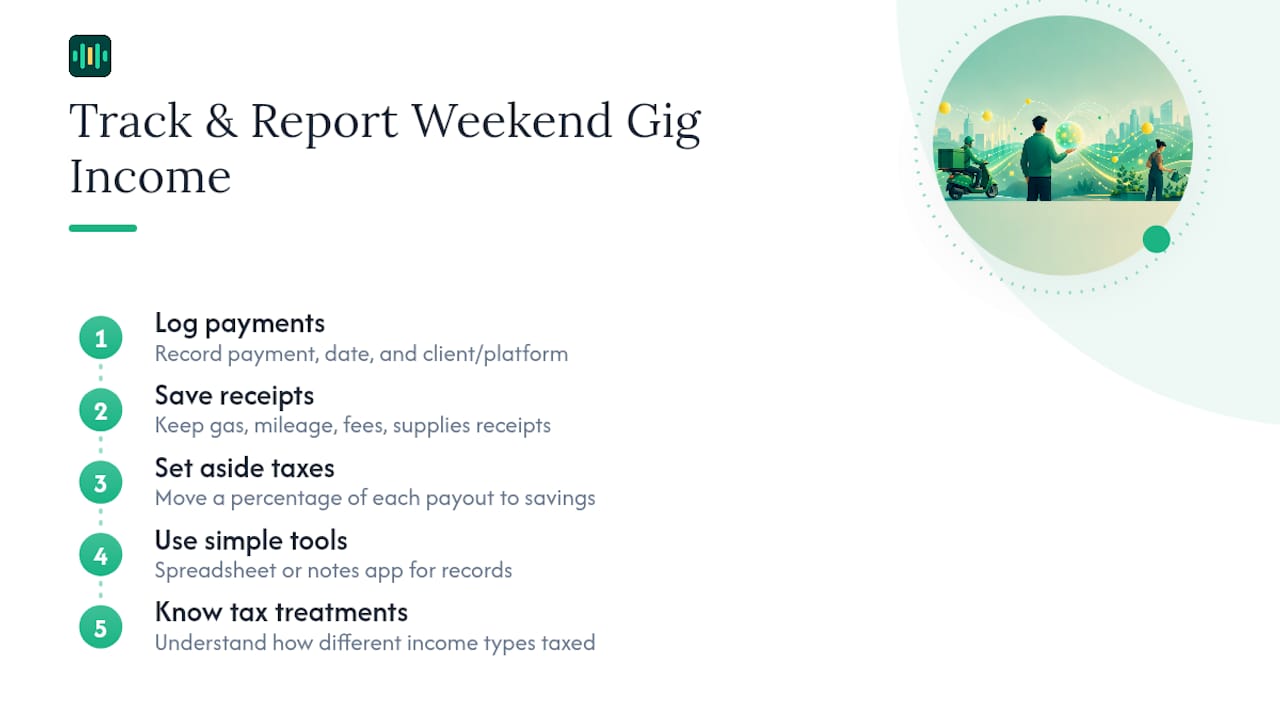
Most delivery, rideshare, and staffing apps issue a 1099 form if you earn above a certain threshold in a calendar year, but you're responsible for reporting income even if no form arrives. Save receipts for anything you can deduct: gas, mileage, cleaning supplies, resale inventory costs, and platform fees. Mileage tracking matters most for drivers since it's often the single largest deduction available.
Set aside a portion of every payment for self-employment tax rather than treating your full gig paycheck as spendable cash. A simple rule many gig workers use is to move a percentage of each payout into a separate savings account the moment it lands, so tax season doesn't come as a surprise. If your side income becomes a bigger part of your annual earnings, it's worth understanding how tax treatment differs for various income types, since not all income gets taxed the same way. Keep it simple: log everything, save receipts, and set money aside as you go instead of scrambling in April.
How Much Time Do Weekend Side Jobs Actually Take?
Most weekend side jobs run 4 to 8 hours per shift, and the vast majority of people doing this stick to one or two shifts per weekend rather than filling both days entirely. A single Saturday delivery shift might run 3 to 5 hours. A full event staffing gig, especially for a wedding or festival, can run 6 to 10 hours in one stretch.
Onboarding time varies more than the actual work time. Delivery and rideshare gigs often get you working within a day or two. Staffing app shifts can be same-week. Remote chat support and tutoring usually take one to two weeks between application, interview, and any short training. Reselling and fitness instruction take the longest, since you need inventory or certification before you earn a dollar.
Plan for a testing phase of two to four weekends before you know whether a specific job is worth keeping. That's enough time to see how a Saturday shift affects your energy for the following week, whether the pay clears your target rate, and whether the scheduling actually fits your life. Treat the first month as a trial, not a commitment. If a job requires more prep time than the shift itself pays for, it's not sustainable long term, no matter how good it sounds on paper.

How Do You Spot a Scam Before You Waste a Weekend?
The biggest red flag is any job that asks you to pay before you start. Legitimate weekend gigs, staffing apps, and remote roles never charge you for training materials, a "starter kit," or background check fees out of your own pocket upfront. If a posting asks for banking details before an offer is confirmed, that's a hard stop.
Vague pay terms are the second warning sign. A real gig tells you the hourly rate, the tip structure, or the flat day rate before you show up. If a recruiter dodges direct questions about pay or keeps changing the schedule after you've already committed, walk away.
Check for a real online presence: reviews on the app store, a company website, or reviews from other workers on staffing platforms. For in-person gigs, always confirm the exact address and meet in a public or clearly commercial location for any interview or shift orientation. For remote roles, be wary of postings that skip a real interview entirely, since legitimate remote weekend positions typically still involve at least a short screening call. If something feels rushed or too easy, slow down and verify before you hand over any personal information.
Can You Handle More Than One Weekend Side Job at Once?
Yes, but stacking two or three gigs without a plan is exactly how people burn out within a month. The people who make multiple side jobs work long term treat their weekend hours like a budget: a fixed number of shifts, not an open-ended hustle.
Start by capping your total weekend work hours before you add a second job. If your first gig already runs 6 hours on Saturday, adding a 4-hour Sunday shift might be sustainable, but adding two more gigs on top of that usually isn't. Watch for the warning signs of overcommitment: skipping meals between shifts, feeling too drained to enjoy any actual weekend, or noticing your weekday work quality slipping.
Rotate instead of stacking when possible. If you have a delivery gig and a tutoring side job, alternate which one gets Saturday and which gets Sunday rather than working both every single weekend. This keeps you fresh and gives you a natural way to compare which job actually pays better for your time once you track it. Aligning your side work with your actual goals and energy, rather than chasing every opportunity that comes across your feed, is what separates people who keep weekend income going for years from people who quit after six weeks.
Author Perspective: Balancing Extra Income and Rest
The instinct to say yes to every extra shift is understandable, but it's the fastest route to quitting everything by month two. Cap yourself at a set number of weekend shifts per month and treat that number as fixed, not negotiable. Track your net pay, not just the hours, and drop anything that doesn't clear your target rate after a fair trial. Use a calculator to decide where the surplus actually goes instead of letting it disappear into everyday spending.
— Todd
Turn Weekend Earnings Into Actual Progress
Picking a side job is only half the equation. The harder part is figuring out where that extra income should go, and most people just let it sit in checking until it disappears into everyday spending. Mali connects to your bank accounts, sizes your real income gap, and shows you exactly how much of your weekend earnings should go toward savings, debt, or a specific goal instead of guessing.
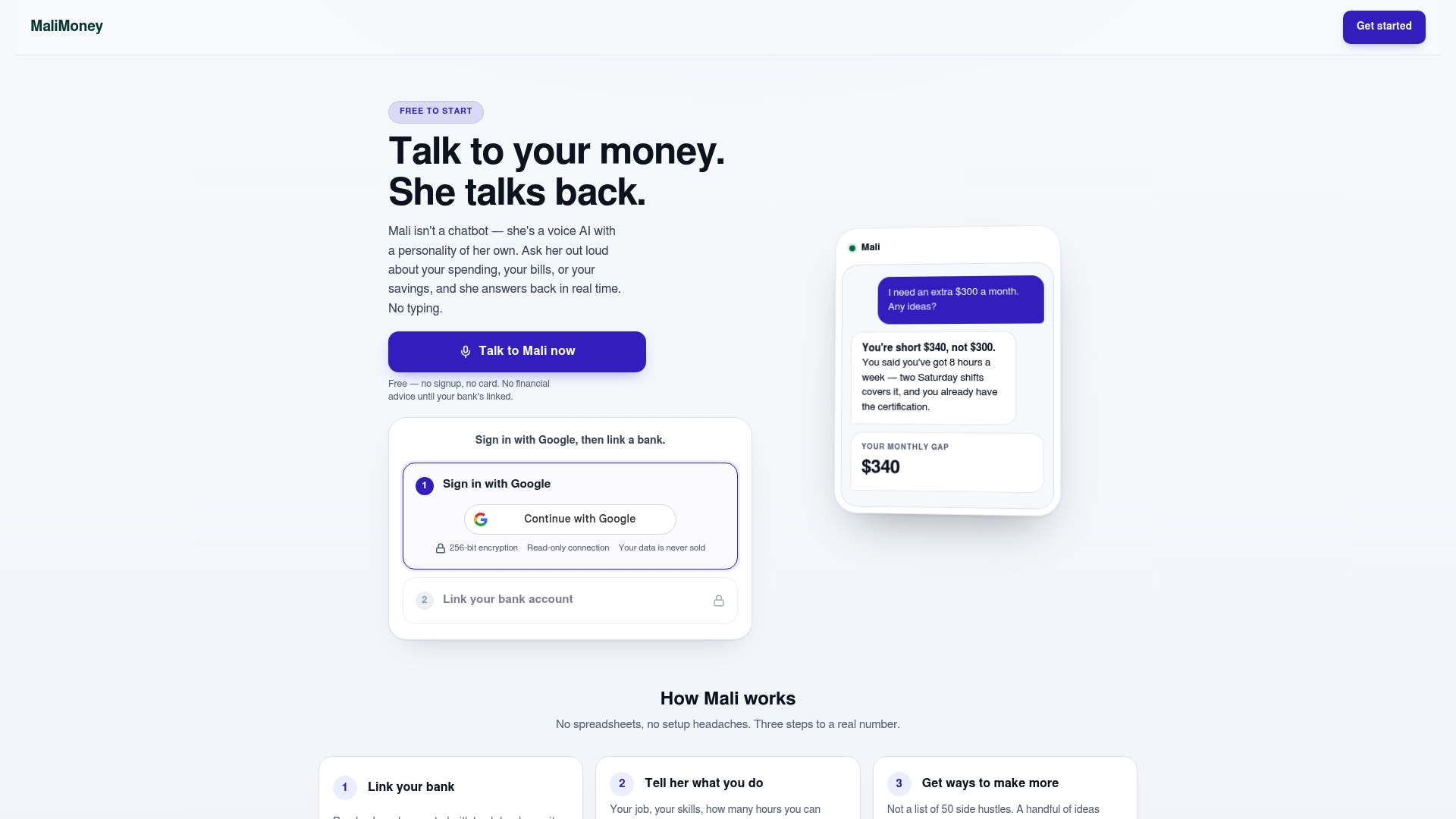
Run the numbers with a free tool first. Try Mali's emergency fund calculator or browse the full library of free calculators to see how a few extra weekend shifts translate into real progress toward a goal you actually care about. Link your accounts and start a free trial to get personalized side-income suggestions sized to your specific gap, not a generic list everyone else gets too.